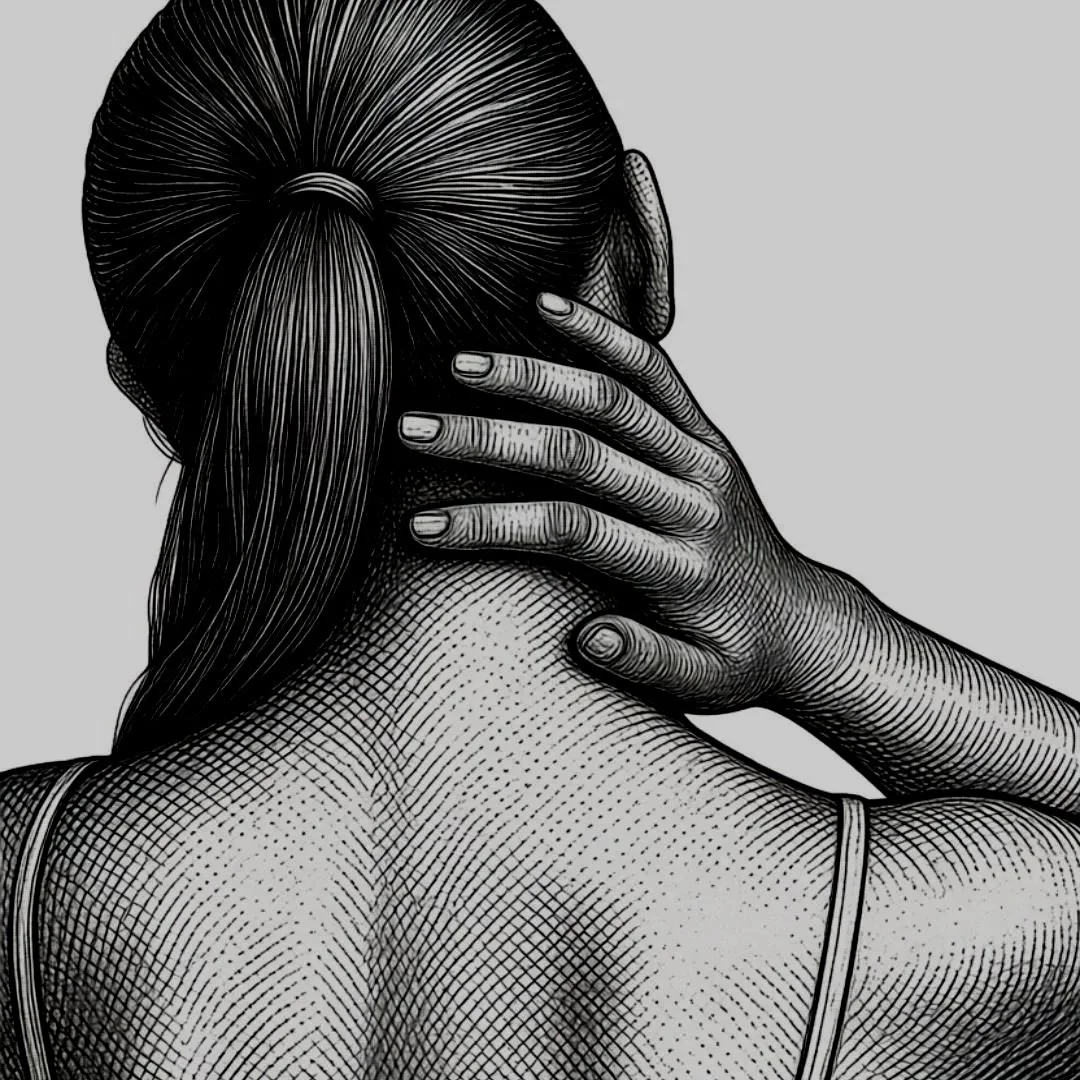
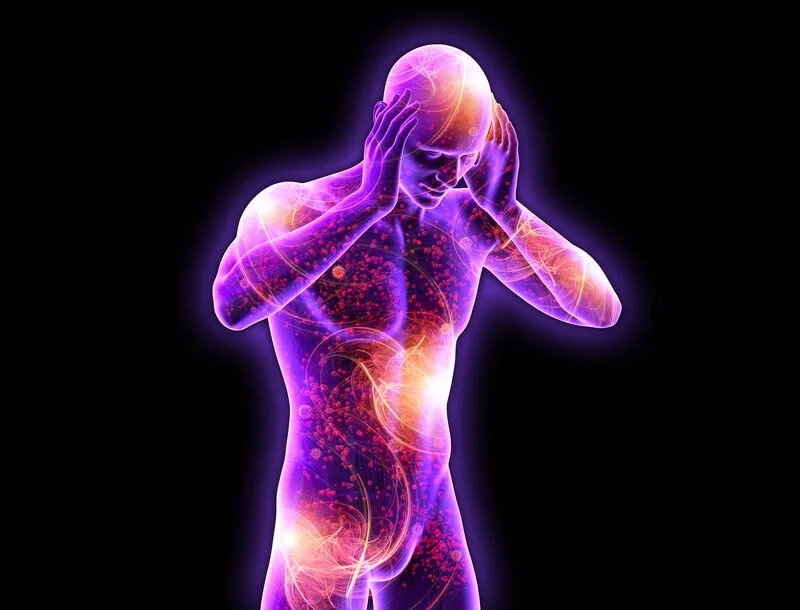
If you're experiencing neck pain that seems to worsen with stress, you're not alone. Many people hold tension in their neck and shoulders, especially during times of emotional or mental strain. Fortunately, acupuncture can be a highly effective way to relieve both the physical discomfort and the underlying stress that contributes to it.
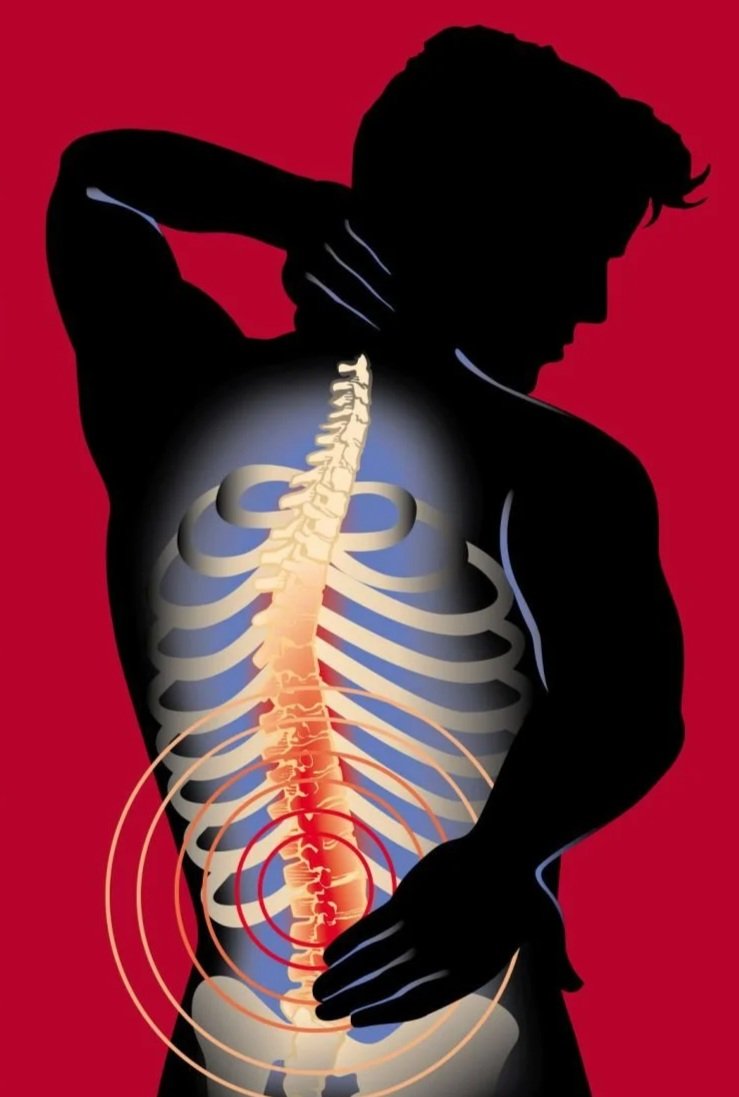
Acupuncture, a cornerstone of traditional Chinese medicine, has garnered increasing attention in Western healthcare for its potential to alleviate back pain. Recent studies provide evidence supporting its efficacy. In fact, back pain is the leading reason people seek help through acupuncture. Here are five scientifically backed ways acupuncture can help manage back pain:
In today’s fast-paced world, stress has become an almost inevitable part of life. But it is so important to manage it. While medication can be effective for some, many people are turning to non-pharmaceutical approaches to stress management. One standout holistic practice is acupuncture, but there are several other effective techniques worth exploring.
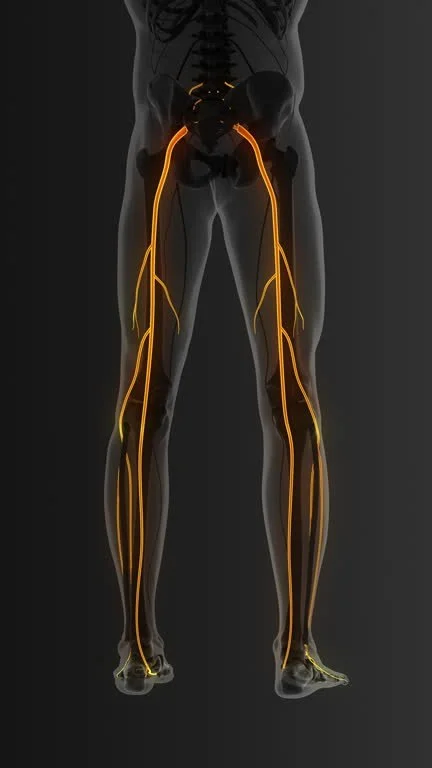
Sciatica pain, caused by irritation or compression of the sciatic nerve, can be excruciating and disruptive to daily life. And unfortunately, many people suffer for months or even years with this debilitating condition. Acupuncture is gaining recognition in modern medicine as an effective, drug-free option for managing this challenging ailment.
Here’s how it works:
Autoimmune disorders — like IBD, rheumatoid arthritis, lupus, or multiple sclerosis — develop when the immune system becomes dysregulated and starts attacking the body’s own tissues. Acupuncture helps calm this internal imbalance by addressing the deeper systems that influence immunity, inflammation, and energy.
Anxiety is a pervasive and often debilitating condition, affecting millions of people worldwide. And while traditional therapies such as medication and counseling are effective for many, alternative treatments like acupuncture really shine for their effectiveness and holistic approach.
The use of acupuncture for migraine sufferers, as well as the research to back up its success is robust and growing. Traditional Chinese Medicine (TCM) offers a holistic approach to migraine relief by addressing the root cause and promoting overall balance in the body. It uses a multifaceted approach including acupuncture, herbal medicine, dietary adjustments, and lifestyle changes.
The rise in wintertime pain is largely due to the colder, damp weather. According to TCM, these environmental factors can penetrate the body, leading to stagnation, or blockages, of Qi (vital energy) and blood circulation. When Qi and blood flow are impaired, the body becomes more susceptible to pain, stiffness, and discomfort. Additionally, the contraction of muscles and blood vessels can exacerbate joint pain, arthritis, migraines, and even digestive disorders.
Winter, according to TCM, is the season associated with the kidneys, a vital organ system that governs energy storage, vitality, and resistance to the cold. To counteract the external cold, TCM emphasizes warming and nourishing foods that protect the body’s internal heat and strengthen the kidneys.
Seasonal eating is a cornerstone of Traditional Chinese Medicine (TCM), which emphasizes harmony between our bodies and our environment. By aligning our diets with the seasons, we can optimize our health, energy, and overall well-being.
Digestive complaints, can significantly impact one's quality of life, causing discomfort and disrupting daily activities. While conventional medicine offers pharmaceutical treatments, they are not without side effects.
Research has shown that acupuncture can help alleviate symptoms associated with many digestive conditions such as irritable bowel syndrome (IBS), indigestion, Crohn's, Ulcerative Colitis, acid reflux, and Small Intestinal Bacterial Overgrowth (SIBO).
Here are five ways acupuncture can help alleviate digestive problems:
In Chinese medicine, spring is associated with the Wood element, or Liver and Gallbladder channels. It's a time of rejuvenation, both in nature and within ourselves. One of the fundamental principles of Chinese medicine is the importance of harmonizing our bodies with the changing seasons through diet, lifestyle, and holistic practices. Incorporating season-specific foods into our diet can help us nourish our bodies and promote overall well-being. Here are some key Chinese medicine foods recommended for spring:
Neuropathy, a condition characterized by nerve damage, can be a debilitating and painful experience for those affected. Acupuncture focuses on addressing the root cause to provide relief and improve the quality of life for neuropathy sufferers.
Neuropathy can result from various factors including diabetes, chemotherapy, infections, nerve impingements, and traumatic injuries. It manifests as tingling, numbness, and/or pain along the affected nerve pathway often impacting the ability to perform daily activities comfortably. Conventional treatments typically involve medications to alleviate pain, but they come with side effects and fail to address the underlying cause.
Here we talk about the ways in which acupuncture can help.
In Traditional Chinese Medicine (TCM), phlegm is considered a pathogenic factor that can significantly impact the body's physical wellness and mental health balance. Phlegm is viewed as more than just the mucus produced by the respiratory system. In TCM, it's a broader concept encompassing various conditions marked by the accumulation of fluids in the body. Excessive phlegm can obstruct the flow of Qi (vital energy) and disrupt the harmonious functioning of organs, leading to imbalances and health issues.
In the most basic of terms- it gunks up the pipes and makes many bodily systems sluggish.
In the ideal mental health scenario, our emotions flow freely, are acknowledged, responded to appropriately, and thus processed. However, if the emotional stimuli are too sudden, too strong/excessive, last a long time, or are suppressed, we may become “stuck” in our emotions. This disturbs the mental/physical balance in the body and creates blockages which in turn can result in physical dis-ease or ailments.
According to Traditional Chinese Medicine (TCM) theory, the spring season is associated with the liver and gallbladder channels or organ systems. We often think of spring cleaning our homes, but we should cleanse our bodies as well. The liver is our body's most important detoxification organ, and we need to give it an occasional scrub. An annual liver cleanse is a great idea, and spring is the perfect time!
While we have generally adapted well to life with COVID, some people find themselves dealing with lingering illness after having the virus – so-called “long COVID”.
The main challenge of these lingering effects is that we are no longer acutely sick, but not fully well either. While this may seem unusual, it’s actually more common than you think. Many familiar viruses have found ways of hiding and staying around long after an initial illness has passed. Some examples include the Epstein-Barr virus (EBV) that causes mononucleosis, and the varicella-zoster virus that causes chickenpox and shingles.
Thankfully, Traditional Chinese Medicine (TCM) has been successfully treating lingering, post-infection symptoms for millennia.
In the United States it is estimated that at least one-third of adults experience insomnia, and its prevalence is only increasing. Sleep issues affect people of all ages and the impact is far-reaching. Deep, restorative sleep is vitally important for a hearty immune system and a calm, balanced state of mind. On the other hand, poor sleep increases the risk of many health problems such as cardiovascular disease, hypertension, and depression.
Sleep is such an important pillar of health and Chinese Medicine has some tried and true herbal formulas to help you get back into a healthy sleep rhythm.
In preparation for winter, our focus turns to strengthening the water element’s organ system pair, the Kidneys and Urinary Bladder, and practice that which we observe in nature: stillness, conservation, and storage.
In Chinese Medicine theory, the kidneys are the storehouse of our vital energy (our Qi), and our Jing, or Essence. Jing relates to our genetics and governs growth, reproduction, and how we move through the cycles of life. Our bones, joints, teeth, ears, brain, and marrow are influenced by the kidneys.
Summer marks the maximum energy, or most yang season in TCM. Peak yang is expressed through growth, vitality, activity, motivation, creativity and joy. Ruled by the element of fire, summer is a time to balance the heat within our bodies. Fire correlates with the Heart and Small Intestine organ channels, and these should be given additional attention during this time.